For more on the arrival of the first Africans to Virginia not quite as slaves but not quite as servants, see Clyde W. Ford, Of Blood and Sweat: Black Lives and the Making of White Power and Wealth (NY: HarperCollins, 2022), 17–50.
Sir John Rolfe’s ledger entry for August 20, 1619 can be found in the Encyclopedia of Virginia, “Twenty and odd Negroes,” an excerpt from a letter from John Rolfe to Sir Edwyn Sandys (1619/1620). https://encyclopediavirginia.org/primary-documents/twenty-and-odd-negroes-an-excerpt-from-a-letter-from-john-rolfe-to-sir-edwin-sandys-1619-1620/.
The dynamic nature of the Elizabeth Key story, and the apparent genealogical links between Elizabeth Key and the actor Johnny Depp, of whom she is said to be a distant relative, have led to much speculation and inaccuracy regarding the historical facts. Some of this I attempted to resolve in my earlier account of Elizabeth Key and her court case, see, Ford, Of Blood and Sweat 73–117).
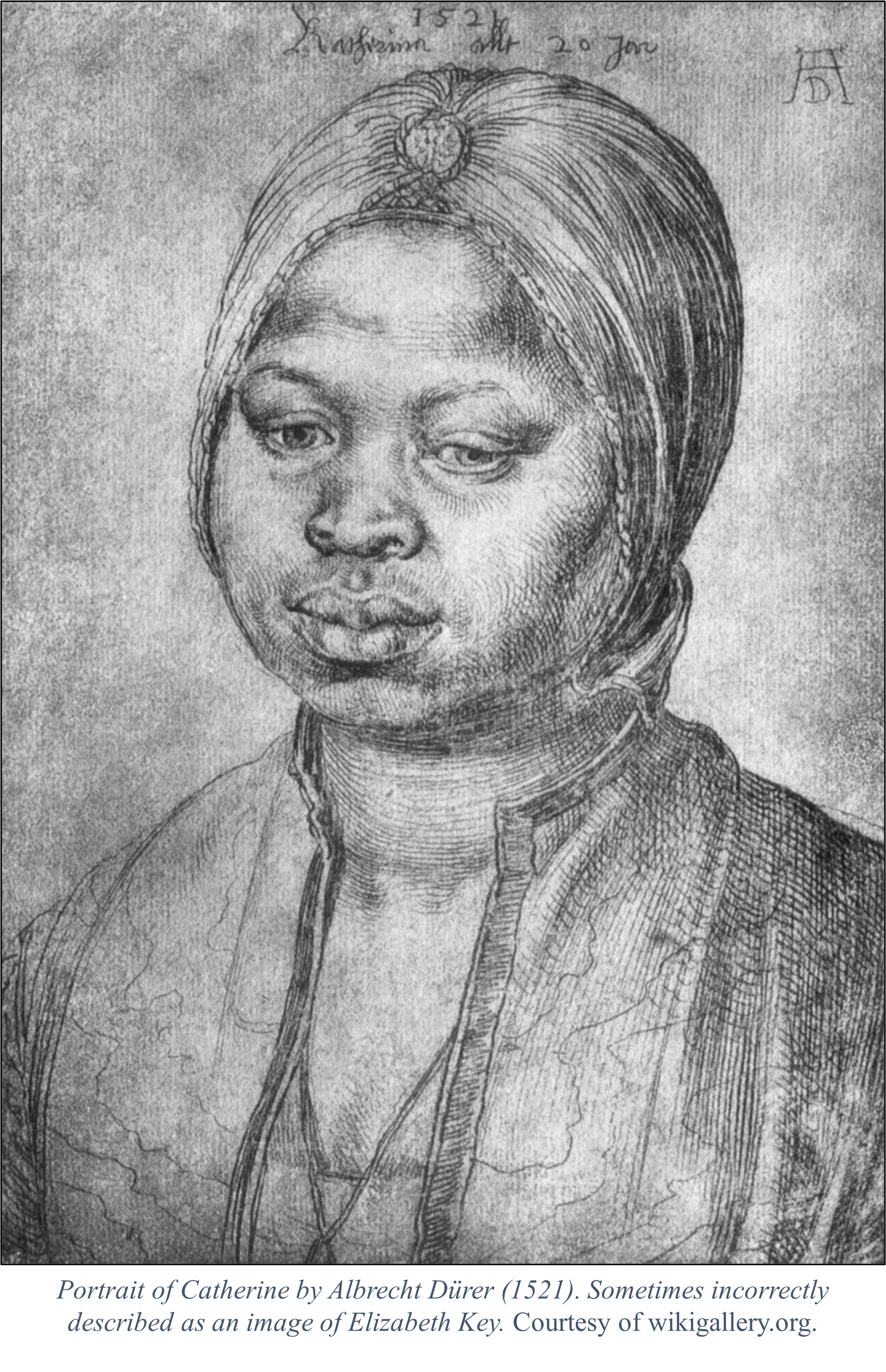
Confusion has also been sown by scholars and by Key’s descendants. For example, a silverpoint drawing of an African woman, frequently included with information about Elizabeth Key, has circulated widely on the internet, including by Elizabeth Key’s descendants (see, for example, http://jonesandrelated.blogspot.com/2012/02/elizabeth-key-grinstead.html). The image was actually drawn by the German painter, Albrecht Dürer, in 1521 (more than a century prior to Key’s birth) , titled “The Negress Katherina.” (see, for example, https://curiator.com/art/albrecht-duerer/the-negress-katherina) and should under no circumstance be taken as a likeness of Elizabeth Key.
The testimony and verdicts in Elizabeth Key’s trials can be found at, Warren M. Billings, ed. The Old Dominion in the Seventeenth Century: A Documentary History of Virginia, 1606-1700 (Chapel Hill: Univ. of North Carolina Press, 2007), 195-200.
For a further explanation of “court-days” see the overtly racist article by Oliver Perry Chitwood in Justice in Colonial Virginia (Baltimore: The John Hopkins Univ. Press, 1905), 95.
For additional information about Maryland and Virginia closing the religious and parentage loopholes opened up in the Key case see Ford, Of Blood and Sweat, 79–99.
Information on the Transatlantic Slave Trade Database can be found at https://www.slavevoyages.org/.
For Richardson’s analysis of the slave trade, see David Richardson. “Shipboard Revolts, African Authority, and the Atlantic Slave Trade,” in The William and Mary Quarterly, vol. 58, no. 1, 69–92, at https://www.jstor.org/stable/2674419
Richard Brooke wrote of the slave revolt on the Thomas in Richard Brooke, Esq. Liverpool as it was During the Last Quarter of the Eighteenth Century, 1775 to 1800. (Liverpool: J. Madsley and Son, 1853), 236–37. Viewable at https://archive.org/details/liverpoolasitwa00broogoog/mode/2up?ref=ol&view=theater
I more fully describe the role of the Royal African Company in the slave trade, and the company's connection to English throne, in Ford, Of Blood and Sweat, 42–3.
John Atkin's report to the Royal African Company, on the slave revolt on the Robert, can be read in full in John Atkins, A Voyage to Guinea, Brasil and the West Indies; in His Majesty's Ships, the Swallow and Weymouth (London: Ward & Chandler, 1735), 71–4, viewable at https://archive.org/details/voyagetoguineabr00atki/page/n7/mode/2up?q=Robert.
Rebecca Hall, PhD is one of the leading researchers in the field of recovering the stories of slave revolts led by Black women. The more academically inclined will enjoy her scholarly paper, Rebecca Hall, J.D., PhD, “Not Killing Me Softly: African American Women, Slave Revolts, and Historical Constructions of Racialized Gender” in The Freedom Center Journal, vol. 1, no. 2, 2010. A less scholarly version of this work is available in the graphic novel published by the author, Wake: The Hidden History of Women-Led Slave Revolts (NY: Simon & Schuster, 2021). The report about the women-led revolt on the slaver L’Annibal comes from her academic paper.
Lorenzo Greene, “Mutiny on the Slave Ships,” in Phylon, vol. 5, no. 4 (1944), 352–53, describes the revolt on the slaver Thames in 1776.
In the early part of the eighteenth century, New York City residents enslaved more men and women than citizens of any city other than Charleston, South Carolina. Southern ownership of the enslaved was confined, almost exclusively, to a wealthy class of planters and landowners. But in New York City, slaveholding penetrated all rungs of society. With no cotton to pick, nor tobacco to harvest, enslaving people was a moneymaking scheme for the average New Yorker, who rented out their enslaved labor by the day. This is precisely why, in December 1711 the New York City Common Council established the Wall Street “Markett House” as the location where daily rentals of enslaved Africans and Native Americans occurred. Four months later, on April 6, 1712, a group of more than twenty enslaved Africans, with women playing a central role, set fire to a building on Maiden Lane (in today’s Financial District). Read a report of that insurrection, and the punishments meted out, in: Governor Robert Hunter’s report to the Lords of Trade and Plantations found in John Romeyn Broadhead, Esq, Documents Relative to the Colonial History of the State of New-York, vol. 5 (Albany: Weed, Parsons and Company, 1855), 341, at https://archive.org/details/documentsrelativ05newyuoft/page/n5/mode/2up.
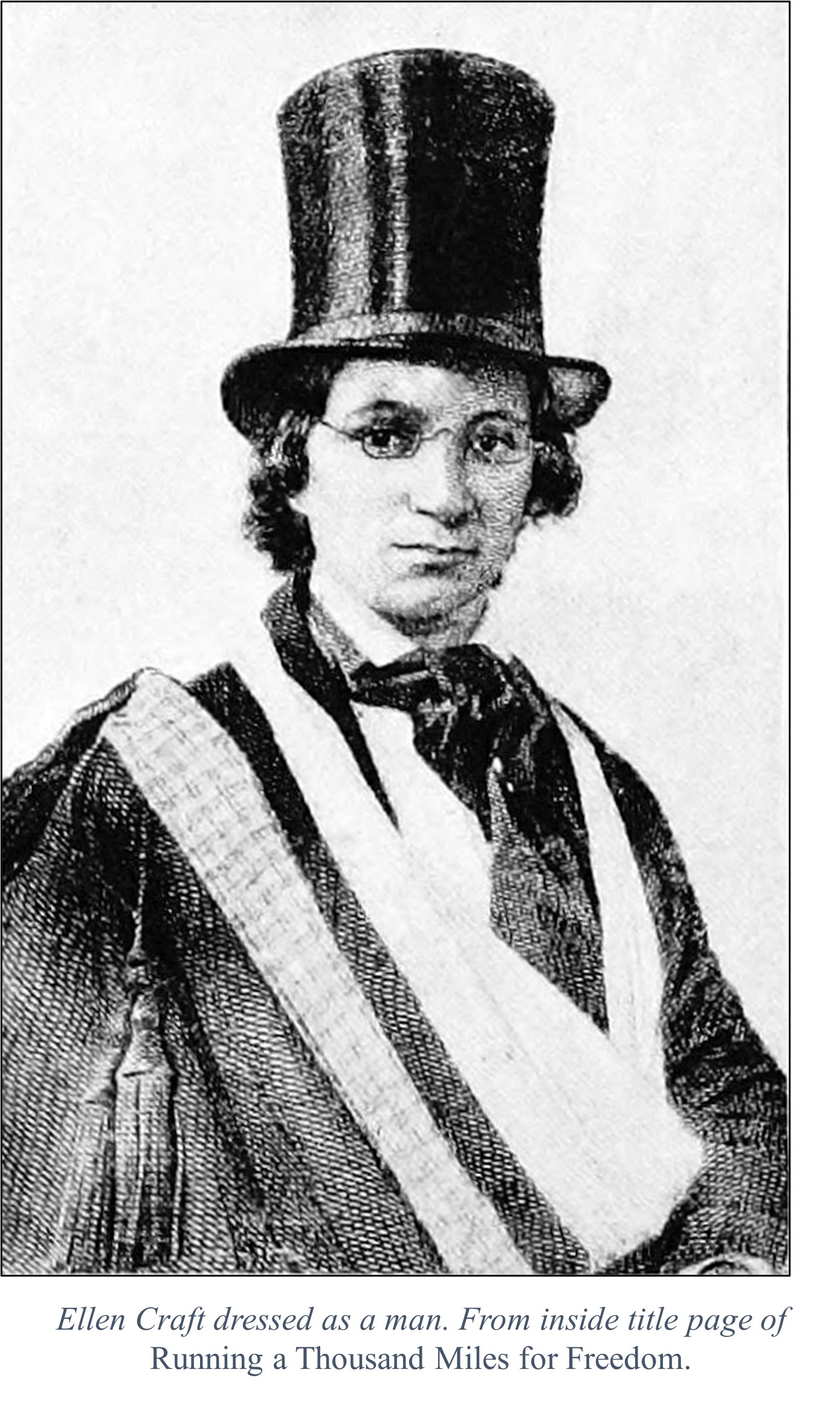
For more on the Crafts, and their daring escape, see their autobiography, Ellen and William Craft. Running a Thousand Milles for Freedom; or, the Escape of William and Ellen Craft from Slavery. (London: William Tweedie, 1860), available at:
https://archive.org/details/runningthousandm0000craf/page/n5/mode/2up?view=theater.
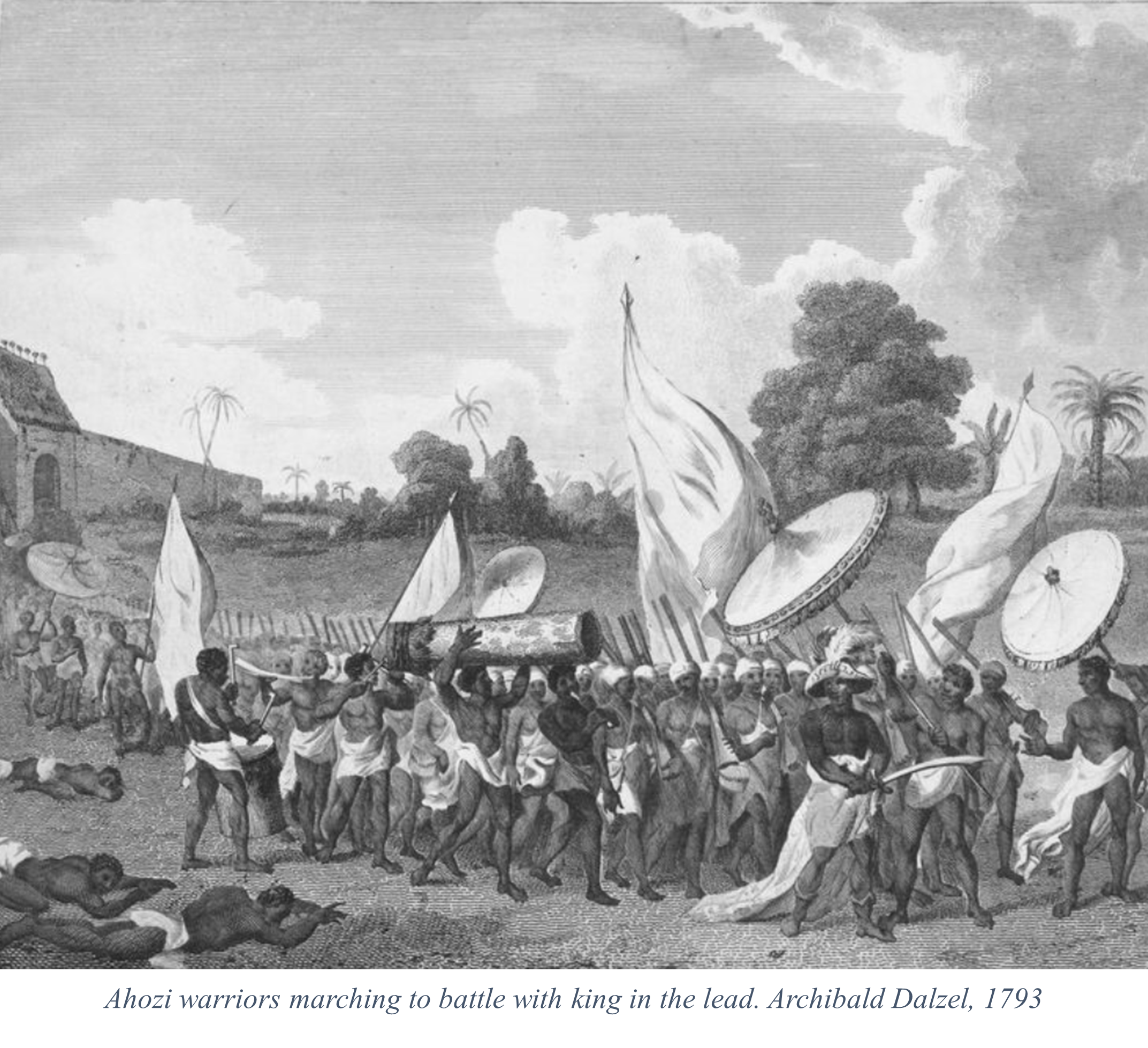
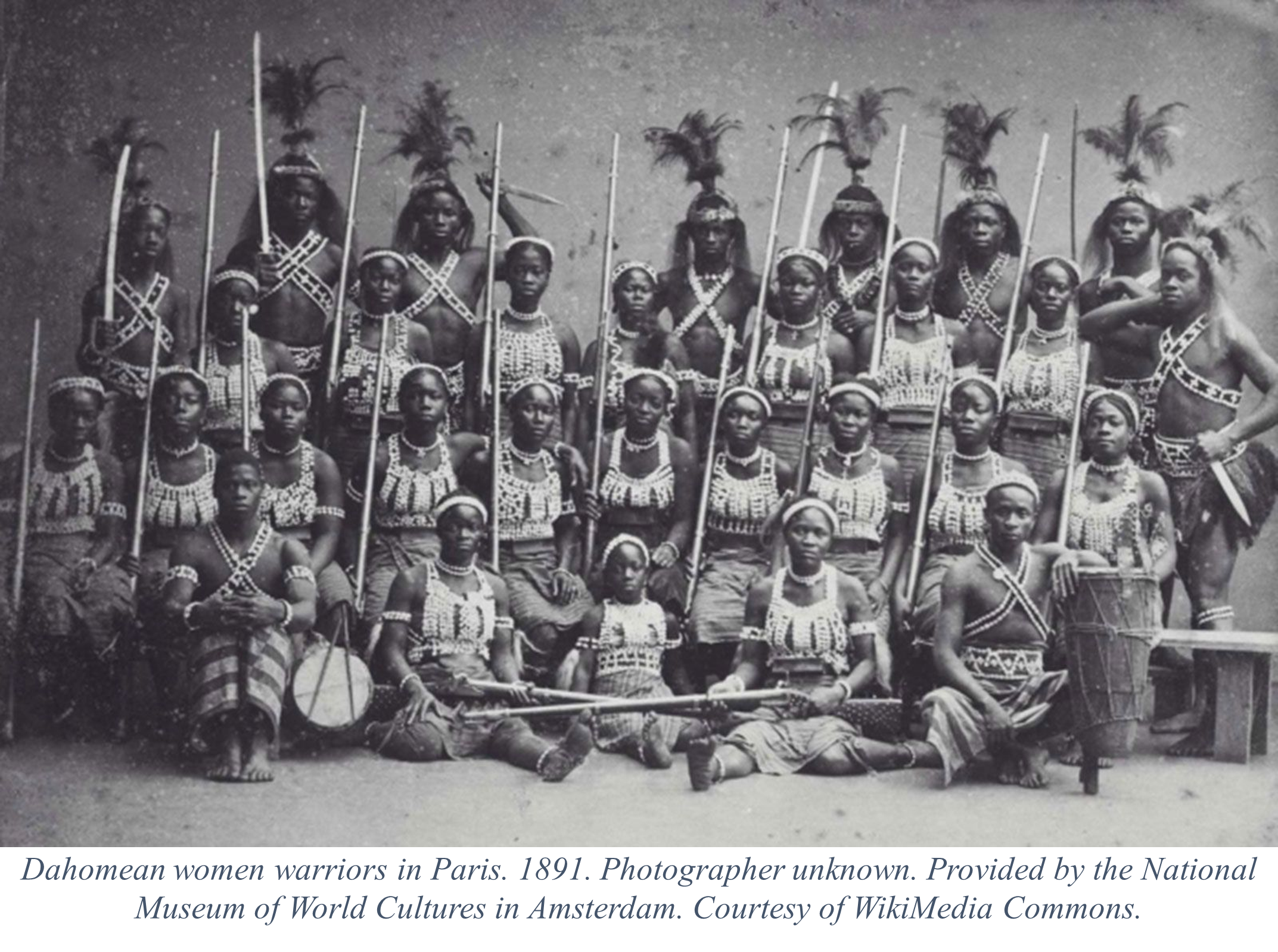
Europeans referred to the Ahosi by many different names, among them Ahozi, Agojie, Agoji, Mino, and Minon.
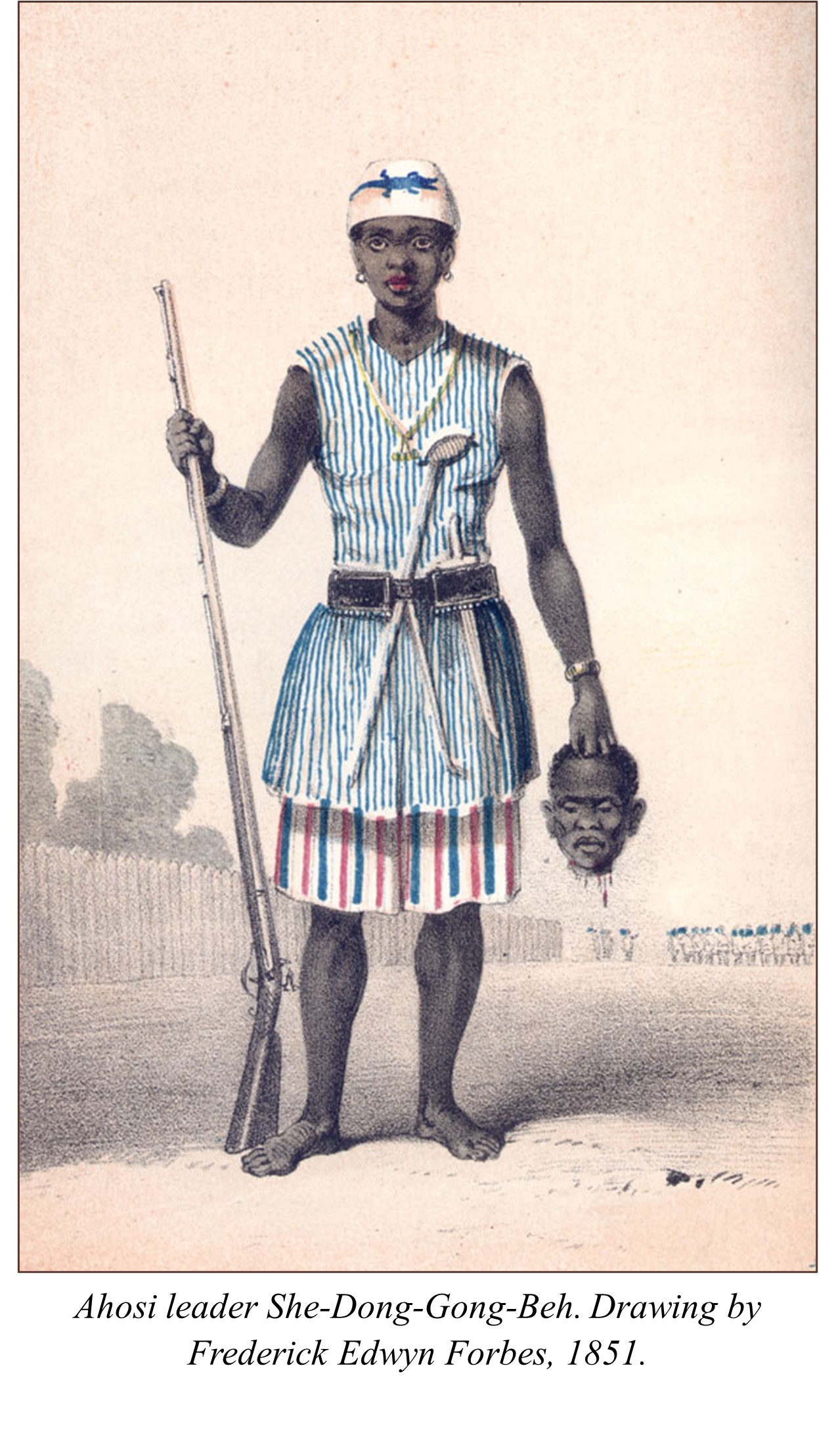
A number of interesting accounts of the Ahosi can be found. See, for example, Rusian Bednik, “Dahomey Amazons—The Only Elite All-female Warrior Regiments” in War History Online. https://www.warhistoryonline.com/instant-articles/dahomey-amazons.html;
Mike Dash, “Dahomey’s Women Warriors” in Smithsonian Magazine, September. 23, 2011 at https://www.smithsonianmag.com/history/dahomeys-women-warriors-88286072/;
Amy McKenna, “Dahomey women warriors," in Britannica, March 7, 2024; and,
Lynne Ellsworth Larsen, “Wives and warriors: The royal women of Dahomey as representatives of the kingdom,” in The Routledge Companion to Black Women’s Cultural Histories. (Oxfordshire, UK: Routledge, 2022).
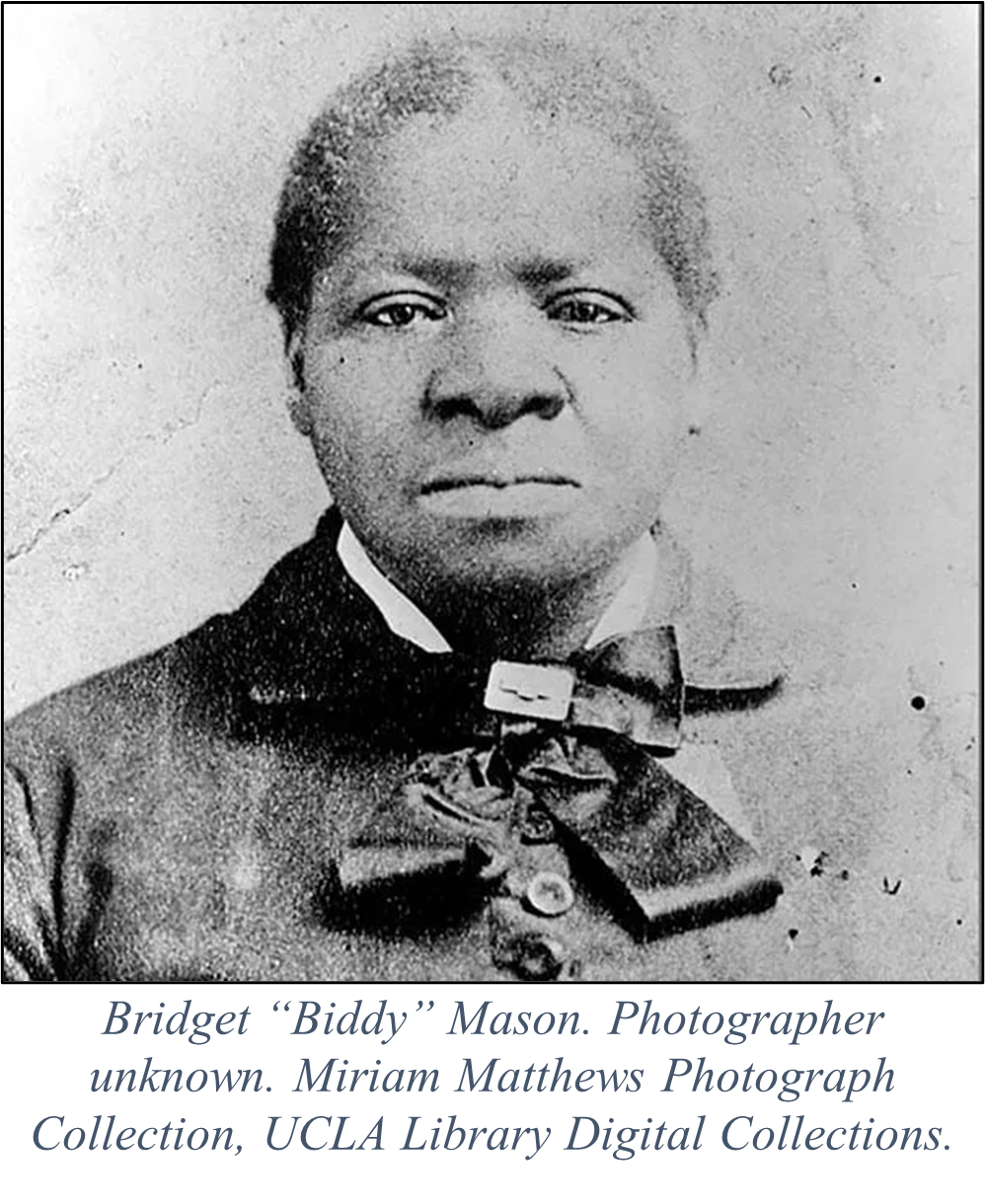
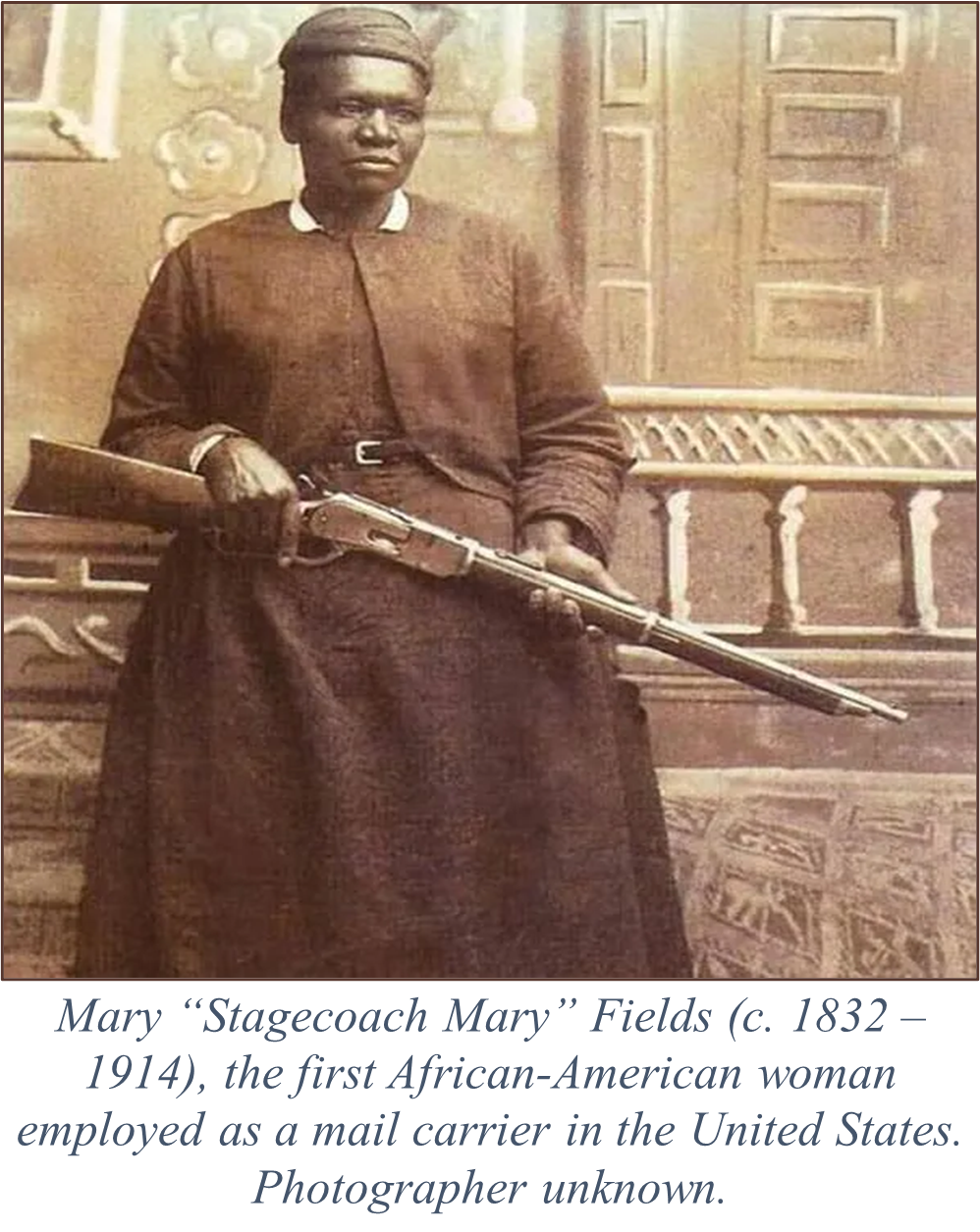
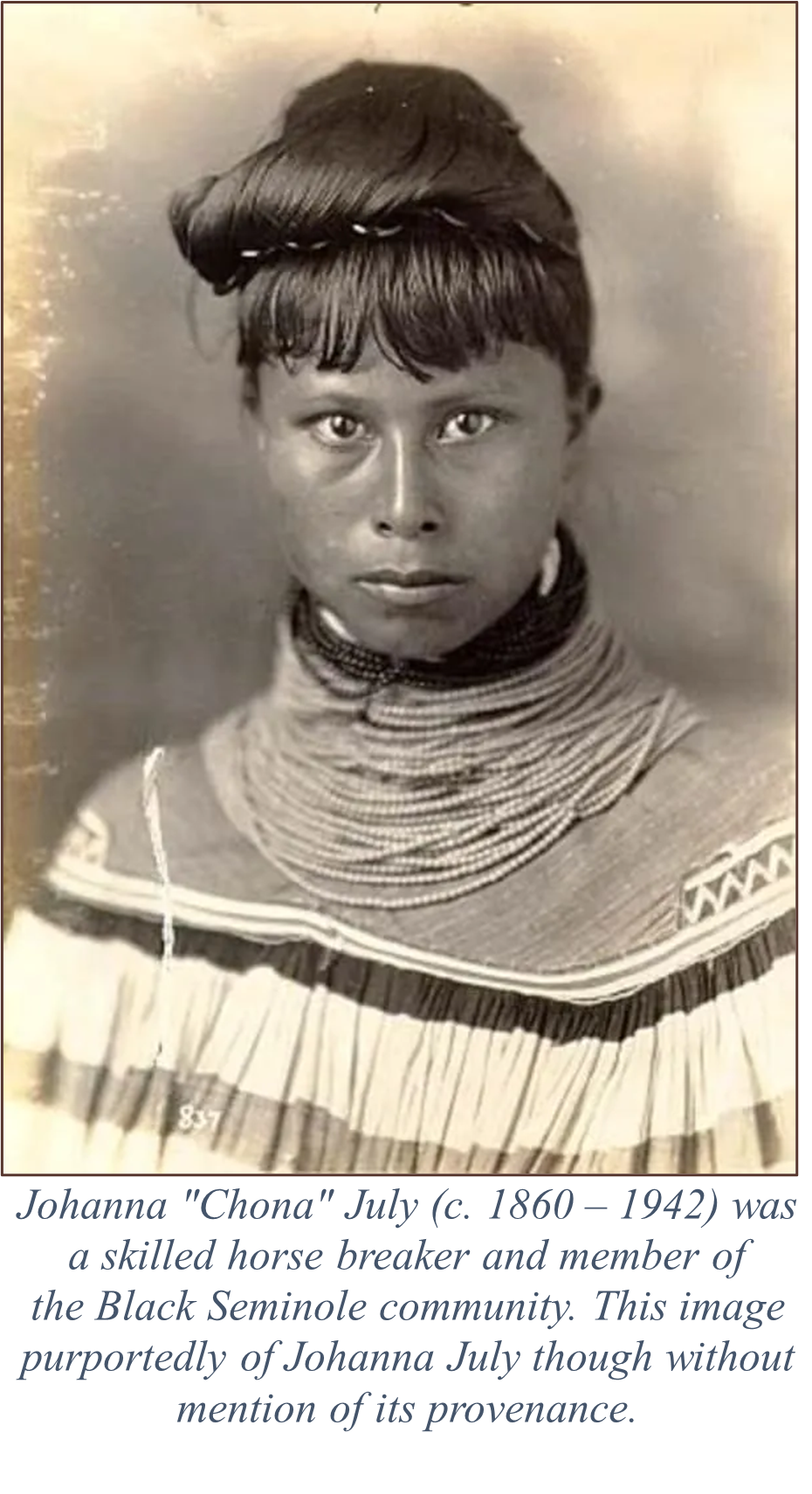
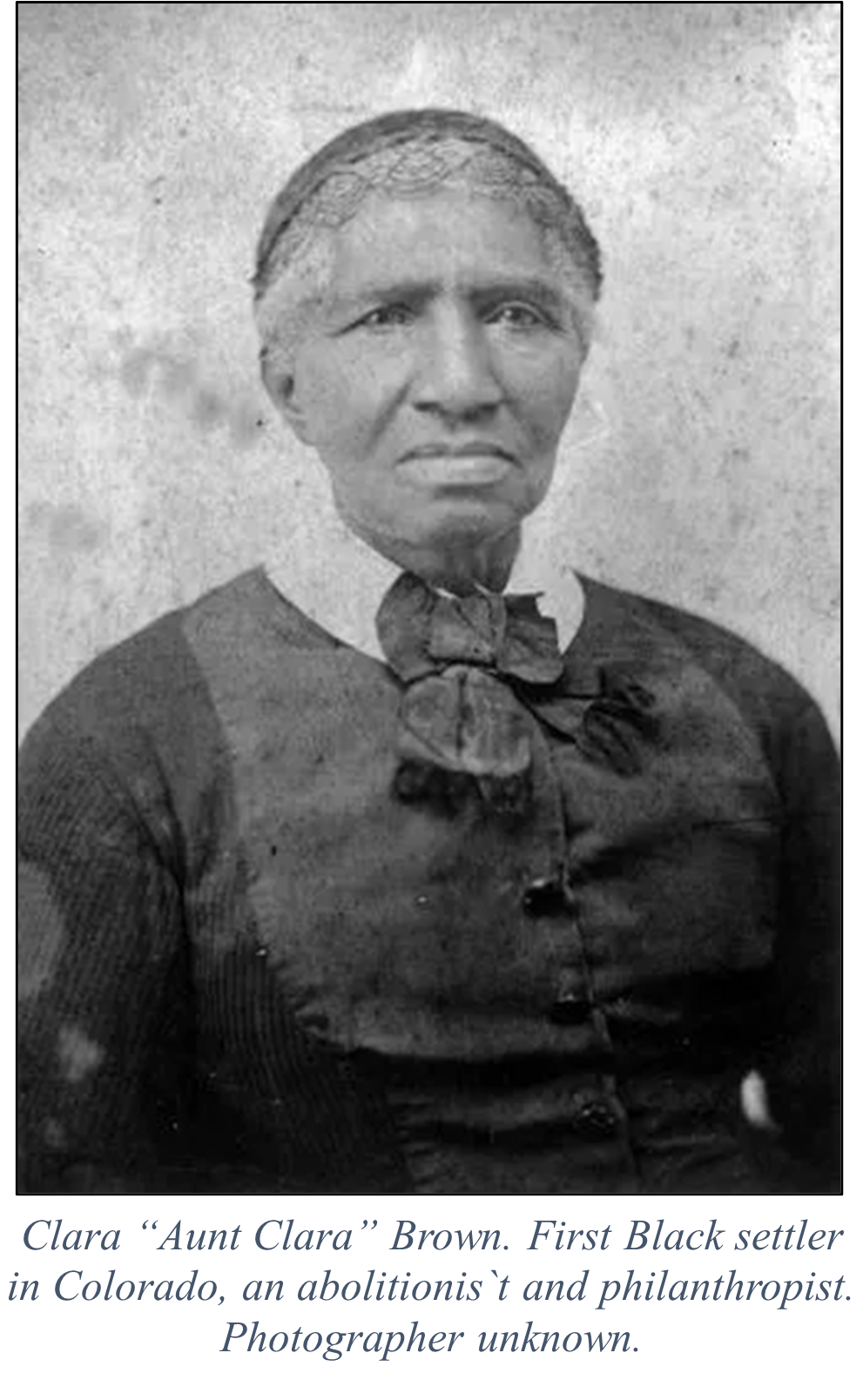
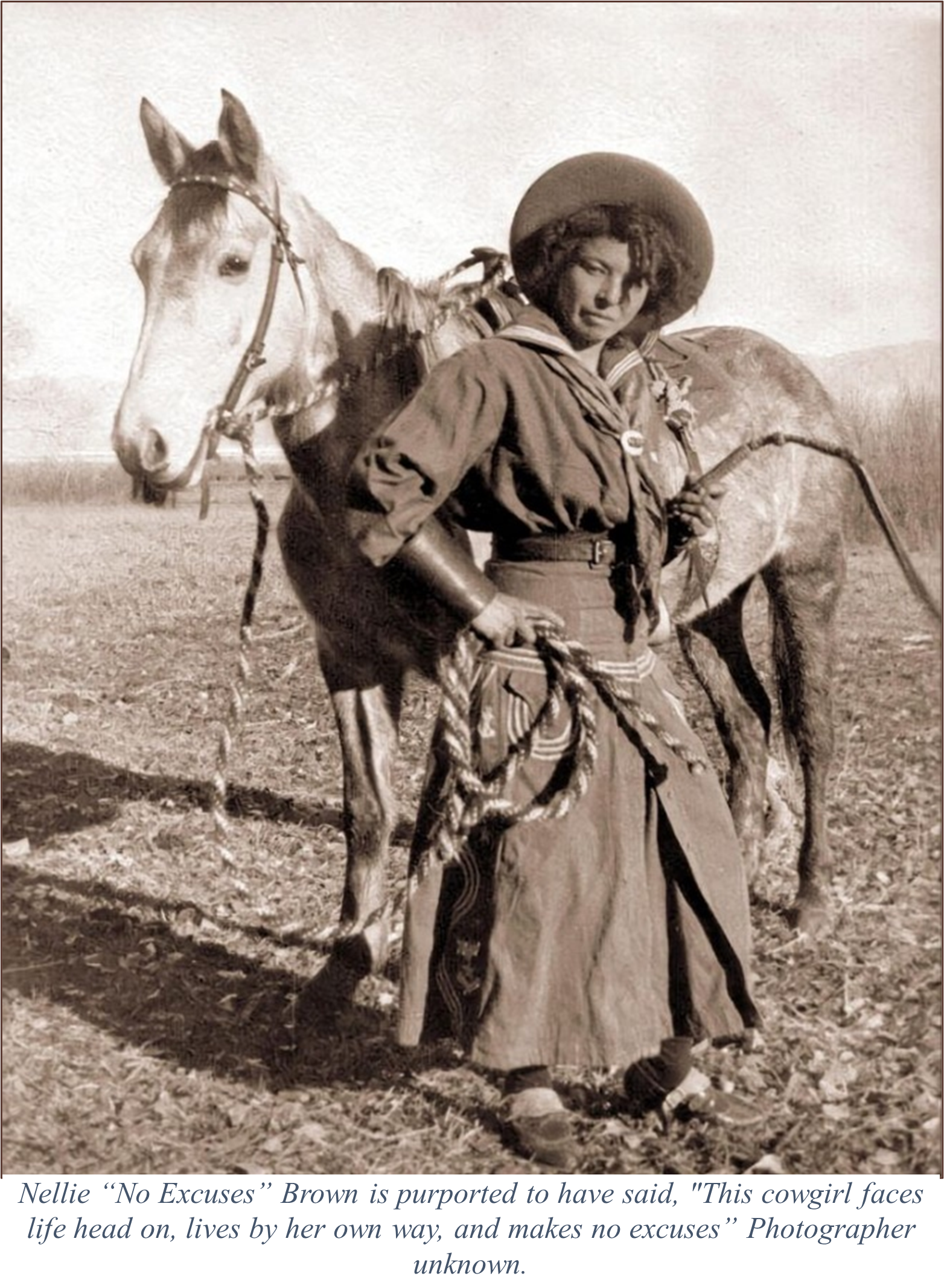
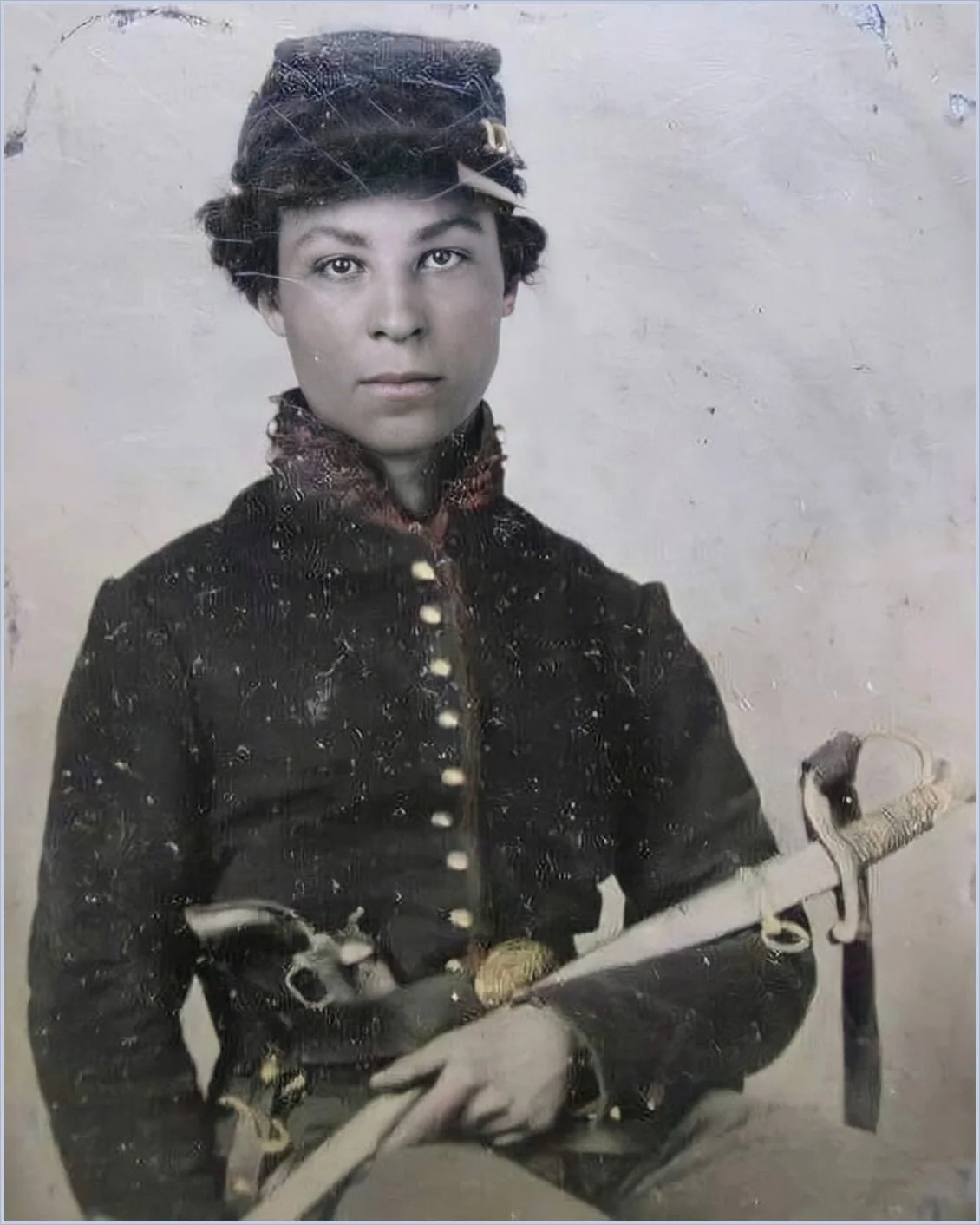
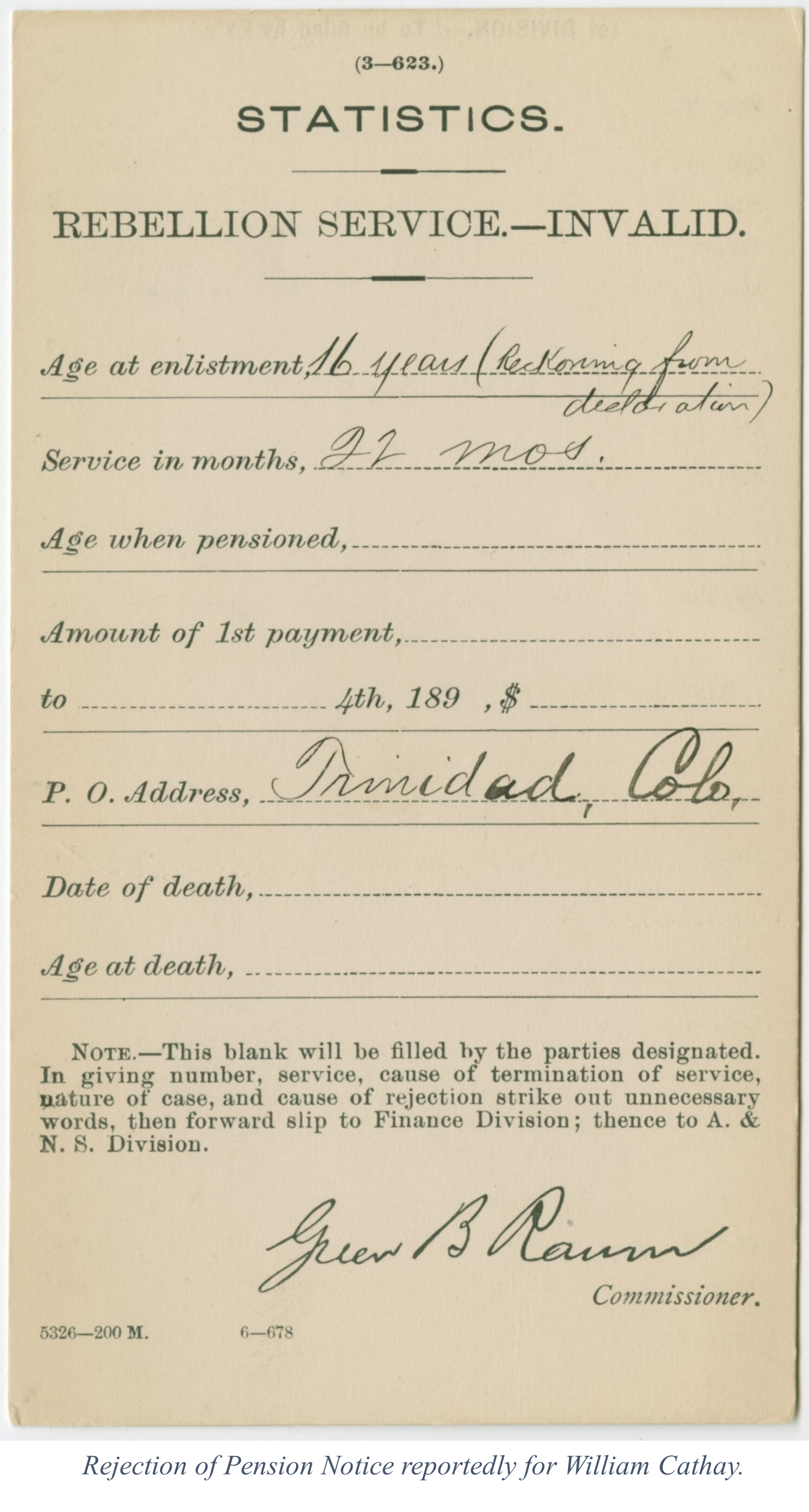
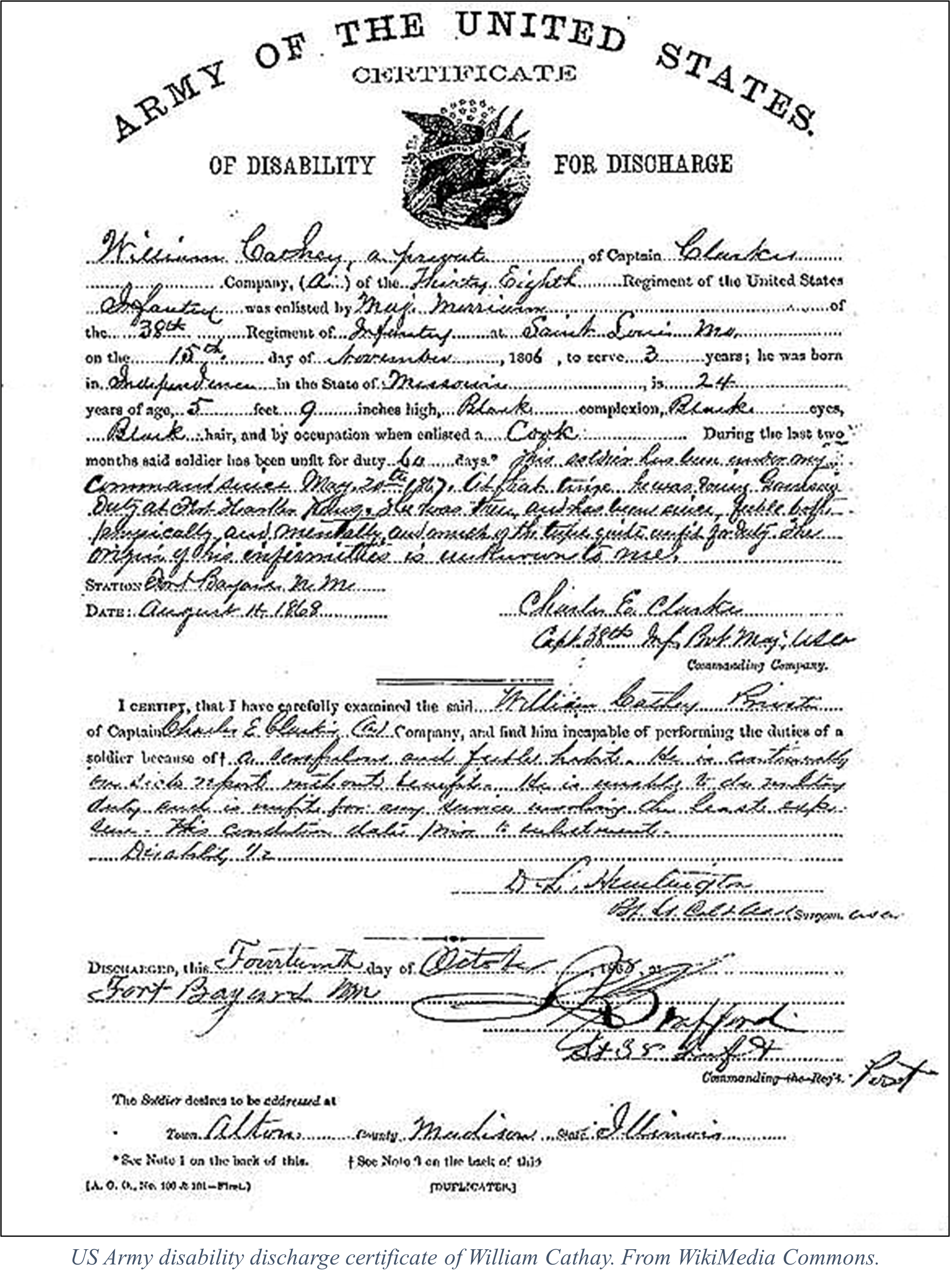
For more on Cathay Williams, see her interview in St. Louis Daily Times, January 2, 1876, 2.