
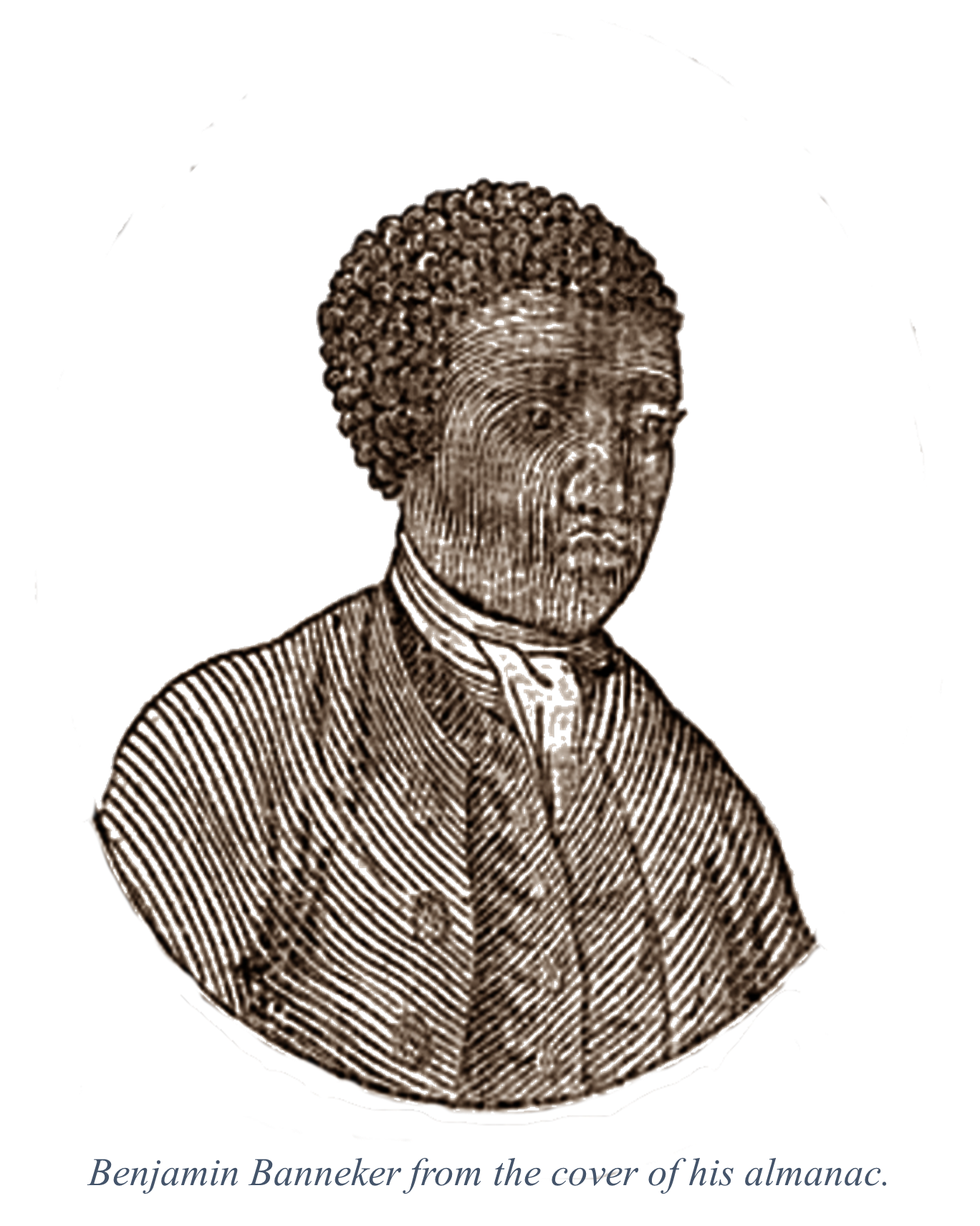
More than a hundred books have been published about Benjamin Banneker since the second-half of the nineteenth century, and most of them include some version of the traditional “English milk-maid” story of Molly Welsh. With the advent of the internet has come propagation and promulgation of many original claims in these books about Banneker and his grandmother, some pushing the boundaries of belief. Of these books, my recommendations for those wishing to delve more deeply into the Banneker/Molly Welsh tale, are the following:
Benjamin Banneker, Banneker’s Almanack and Ephemeris for the Year of Our Lord 1793. (Philadelphia: Joseph Crukshank, 1792) available at https://archive.org/details/bannekersalmanac00bann/mode/2up?ref=ol&view=theater.
Silvio A. Bedini. The Life of Benjamin Banneker. (Rancho Cordova, CA: Landmark Enterprises, 1972). Bedini was a historian with the Smithsonian Institution, which lent credibility to this biography as the first “scientific study” of Banneker’s life. I’m not persuaded by the acclaim shown Bedini. Right from the beginning much of Bedini’s representation shows that he has taken his account from those previously published by Tyson and Latrobe. There are factual errors, and a fair amount of historical fiction in this work. Available at: https://archive.org/details/lifeofbenjaminba00silv/page/n7/mode/2up?view=theater&q=anola.
Charles A Cerami. Surveyor, Astronomer, Publisher, Patriot: Benjamin Banneker (NY: John Wiley & Sons, 2002). Cerami’s book also borrows from that material first published by Latrobe and Tyson. He makes unsubstantiated claims about Banneker, without supporting footnotes or references. Cerami continues previous assertions about Banneker’s family origins among the Dogon, with no mention of the serious questions raised by other scholars concerning the accuracy and veracity of the earlier reporting on the Dogon people. Griaule's research is the basis for these claims by Cerami.
Paul Heinegg. Free African Americans of Maryland and Delaware from the Colonial Period to 1810. 2nd edition. (Baltimore: Genealogical.com, 2021). Heinegg is a genealogical researcher who has turned up interesting and significant information about the Banneker family. See his entries under “Banneker” and “Lett” for more. References to William Cumming, the lawyer for Mary Beneca and Richard Gist, a Quaker who put up security for her court payments, come from court records discovered by Heinegg. For a database of Heinegg’s family reports see https://freeafricanamericans.com/Adams-Butler.htm (Information on the Banneker family); and, https://freeafricanamericans.com/Kelly-Owens.htm (information on the Lett family)
John H. B.Latrobe, Esq. Memoir of Benjamin Banneker (Baltimore: John D. Toy, 1845). Latrobe was a well-known lawyer and inventor. This slim volume contains many discrepancies when compared to later works, but it is important as the earliest reporting about Banneker and his family. Available at https://archive.org/details/memoirbenjaminb00socigoog/page/n4/mode/2up.
Sandra W. Perot, Reconstructing Molly Welsh: Race, Memory and the Story of Benjamin Banneker’s Grandmother. Master’s Thesis. (Amherst, MA: Univ. of Massachusetts, 2008). I find Perot’s master’s thesis one of the few refreshing studies of Banneker and his grandmother, Molly Welsh. Perot examines how the legend of Molly Welsh was constructed rather than based on historical evidence. Available at: https://scholarworks.umass.edu/theses/210/.
Martha Ellicott Tyson. A Sketch of the Life of Benjamin Banneker From Notes Taken in 1836 (Baltimore: John D. Toy, 1854). This volume comes from the original notes compiled by Tyson after interviewing members of Banneker’s family, and his friends. Available at: https://archive.org/details/sketchoflifeofbe00tyso/page/n3/mode/2up?ref=ol&view=theater.
Martha Ellicott Tyson. Banneker the Afric-American Astronomer. From the posthumous papers of Martha E. Tyson (Philadelphia: Friends’ Book Association, 1884). This book expands on Tyson’s earlier work. It is edited by her daughter, Anne T. Kirk, and contains further amplifications of the stories about Molly Welsh apparently obtained by Martha Tyson’s interviews with Banneker family members.
Available at: https://archive.org/details/bannekerafricame00tyso/page/n5/mode/2up.
To my knowledge, no other historian or researcher has pursued the Quaker relationship to the Banneker family. For more information about early Maryland Quakers see the following sources:
Raymond Ayoub, “The Persecution of ‘An Innocent People’ in Seventeenth-Century England” in Quaker Studies vol. 10. Issue 1. Available at https://digitalcommons.georgefox.edu/cgi/viewcontent.cgi?article=1116&context=quakerstudies.
Kenneth L. Carrol, “Persecution of Quakers in Early Maryland (1658–1661)” in Quaker History,
vol. 53, no. 2, 67–80. Available at https://www.jstor.org/stable/41946444.
Kenneth L. Carrol, “Maryland Quakers and Slavery” in Quaker History, vol. 72, no. 1, 27–42. Available at https://www.jstor.org/stable/41946978.
Kenneth L. Carrol, “America’s First Quakers—Where, When, and by Whom?” in Quaker History, vol. 85, no. 2, 49–59. Available at https://www.jstor.org/stable/41947331.
Thomas Kinnes, “About 440 Jewish Proverbs” in Jewish Proverbs online at: http://oaks.nvg.org/jewish.html.
Avis Wanda McClinton, et al, “Confronting the Legacy of Quaker Slavery” in Friends Journal.
Available at: https://www.friendsjournal.org/confronting-the-legacy-of-quaker-slavery/.
John Saurin Norris, The Early Friends (or Quakers) in Maryland (Baltimore: John D. Toy, 1862), 25. Norris provides evidence of an early Quaker meeting called the “Patapsco Meeting.”
Available at: https://archive.org/details/earlyfriendsorqu00norriala/page/n3/mode/2up.
“The History of Quakers in Baltimore” in Baltimore Monthly Meeting of Friends, Stony Run, The Religious Society of Friends. Available at http://www.stonyrunfriends.org/srcms/content/meeting-history.
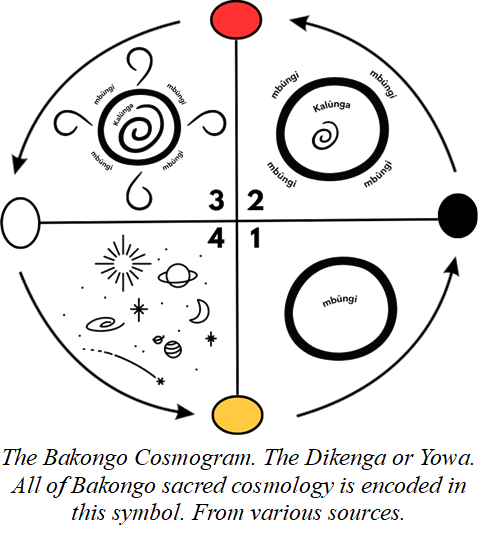
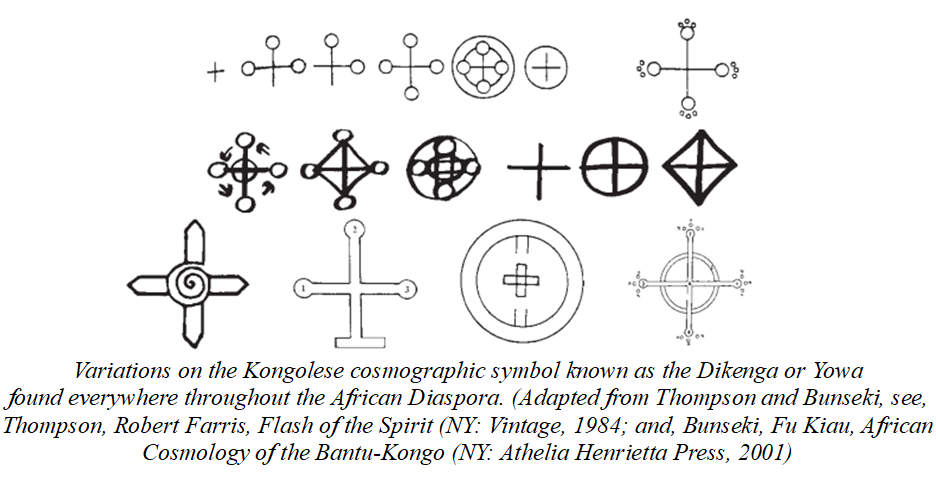
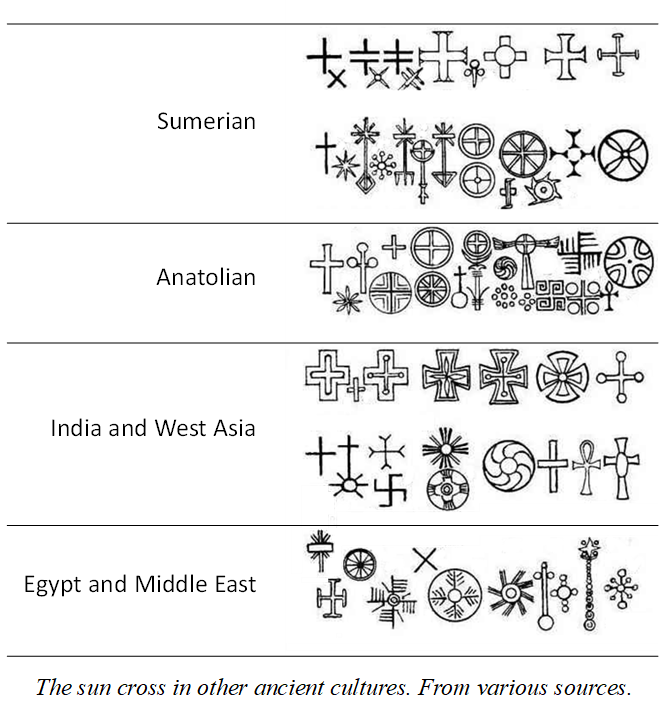
For more on the dikenga and yowa, see Clyde W. Ford, The Hero with an African Face (NY: Bantam, 1999), 192–99.
The letter Benjamin Banneker wrote to Thomas Jefferson, can be found at “To Thomas Jefferson From Benjamin Banneker, 17 August 1791,” at the National Archives (Founders Online) https://founders.archives.gov/documents/Jefferson/01-22-02-0049. For Jefferson’s cursory reply, see “From Thomas Jefferson to Benjamin Banneker, 30 August 1791,” at the National Archives (Founders Online) at https://founders.archives.gov/documents/Jefferson/01-22-02-0091.
For some of Jefferson’s views on the intelligence of those he enslaved, see Thomas Jefferson, Notes on the State of Virginia (No publication data), at https://archive.org/details/notesonstateofvi1787jeff/page/n5/mode/2up?ref=ol&view=theater&q=advance; and “Thomas Jefferson to Joel Barlow, 8 October 1809,” at the National Archives (Founders Online), at https://founders.archives.gov/documents/Jefferson/01-22-02-0091.