
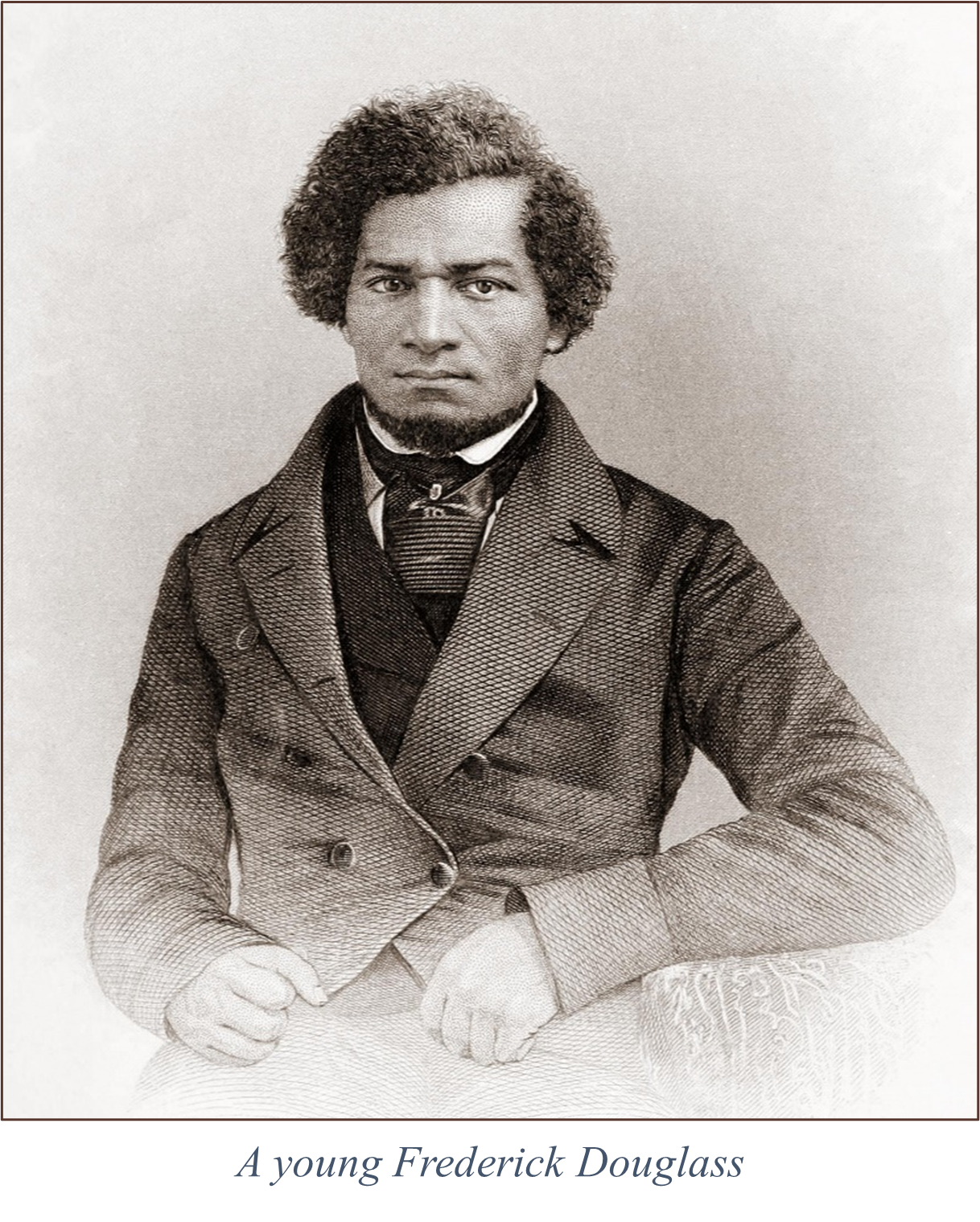
Frederick Douglass’s autobiography:
Frederick Douglass. Narrative of the Life of Frederick Douglass an American Slave. (Boston: Anti-Slaver Offices, 1845), especially p. 14-15. https://archive.org/details/narrativeoflifeo1845doug/page/14/mode/2up.
Martin Luther King, Jr. delivering his “How Long? Not Long!” speech at the conclusion of the third Selma to Montgomery March
https://www.youtube.com/watch?v=TAYITODNvlM.
Crossroad Blues by Robert Johnson
https://www.youtube.com/watch?v=GtDlZdhHRCI.
No Body Known the Trouble I’ve Had (Sea Islands version)
Here’s the music for the South Carolina Sea Islands version:
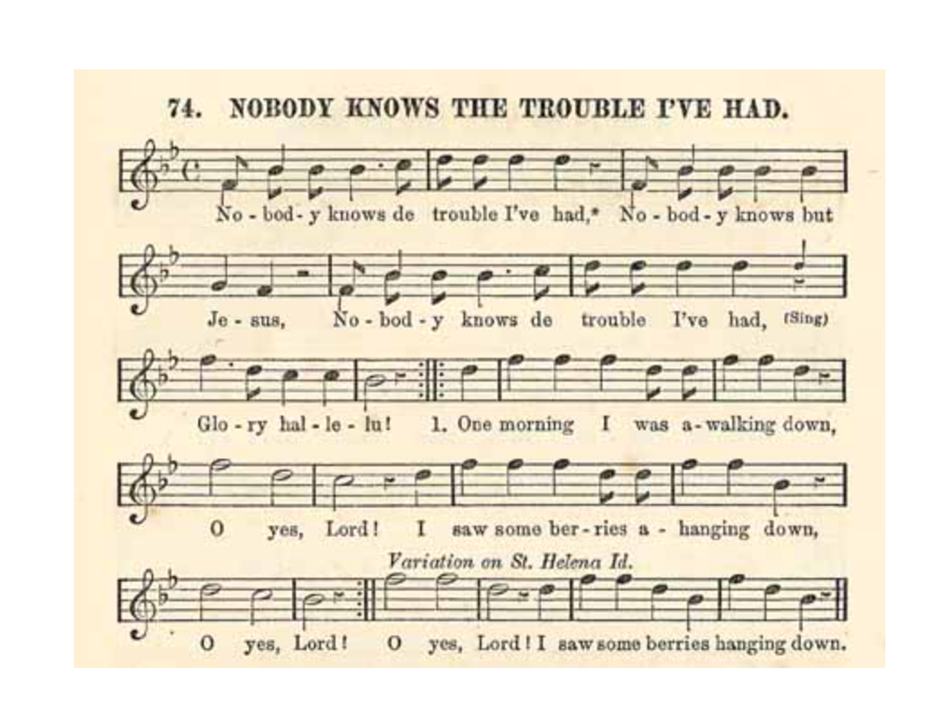
It’s hard to find a recording of this Sea Islands version of the song. Most recordings substitute “I’ve seen” for “I’ve had.” Here’s Marian Anderson singing “Nobody Knows the Trouble I’ve Seen” in 1924: https://www.youtube.com/watch?v=jzaWFfyh1N4.
For more on the economic and political conditions for Blacks in post-Civil War America, see Ford, Of Blood and Sweat, 283-337.
Listen to Uncle Dave Macon’s rendition of “Bile them Cabbage Down” here, https://www.youtube.com/watch?v=YrurlSqJ0DI This is a classic example of “hillbilly music” (later to become country music) as opposed to “race music.” Note both his virtuosic banjo playing and the casual, racist disdain by which he dismisses the very people who brought the banjo over from Africa to America, and without whom he would not have had his legacy or career. It shows the extent to which Jim Crow was so thoroughly infused in every aspect of American society that even music with the same instruments and roots eventually were split based on skin color.
For more on Black men and women as country artists see, Francesca Royster. Black Country Music: Listening for Revolution. (Austin: Univ. of Texas Press, 2022).
“Color Him Father” written by Richard Lewis Spencer and sung here by Linda Martell, https://www.youtube.com/watch?v=RsNaHdYMTmk.
“Bad Case of the Blues” sung live by Linda Martell on the nationally syndicated country music television program, Hee Haw, https://www.youtube.com/watch?v=ETQTDgZA9Vo.
Martell’s yodeling on this recording is just outstanding.
“Love on You” written and sung by Rissi Palmer, https://www.youtube.com/watch?v=GQ0n25YmyNY.
“Color Me Country” podcast with Rissi Palmer, host, https://music.apple.com/us/curator/color-me-country-radio/1500977601.
“Texas Hold ‘Em” sung by Beyonce, https://www.youtube.com/watch?v=238Z4YaAr1g.
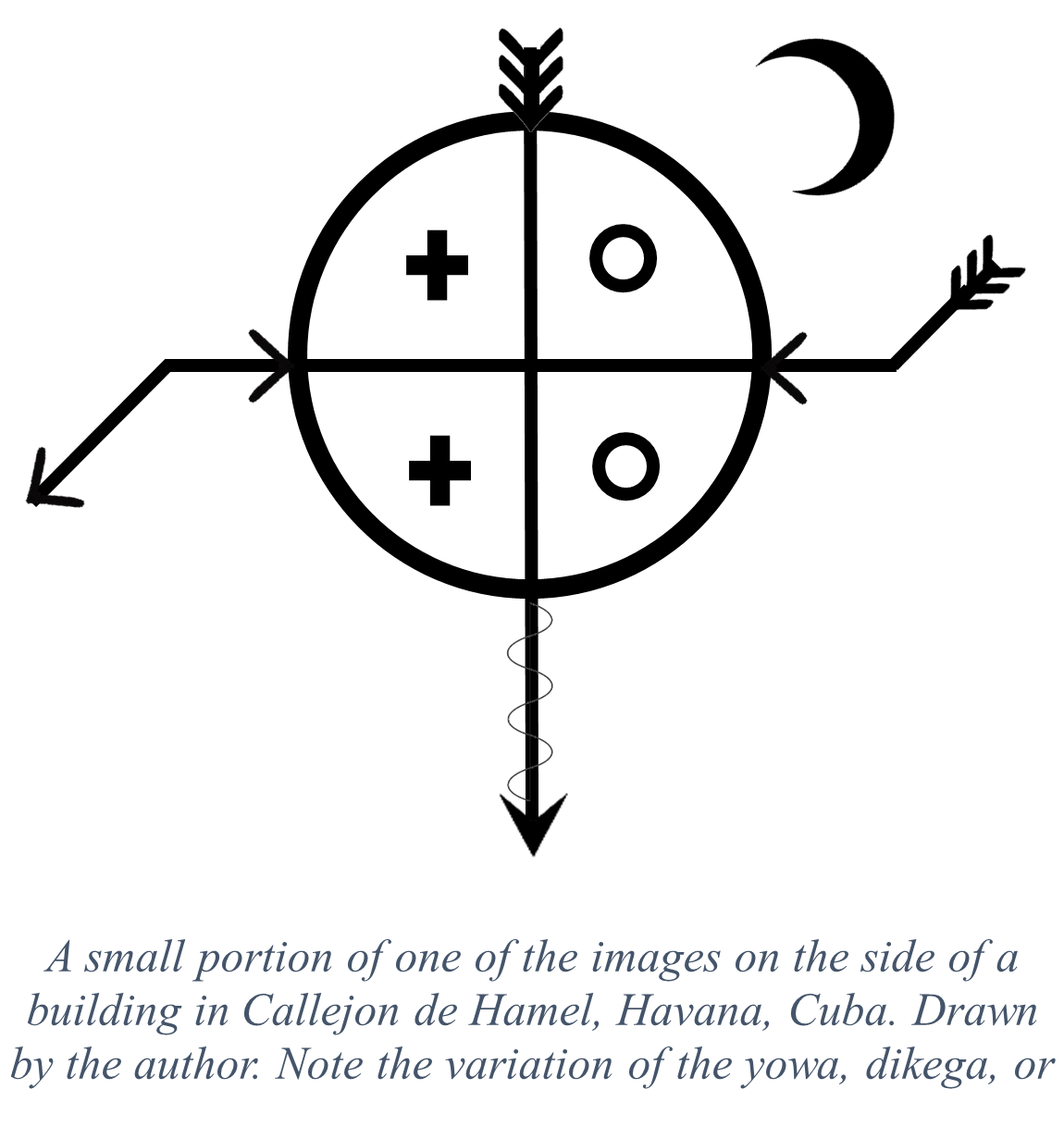
I was particularly struck by this image on the side of a building in Callejon de Hamel in Havana:
For the musically inclined, here’s the musical notation of the tresillo:
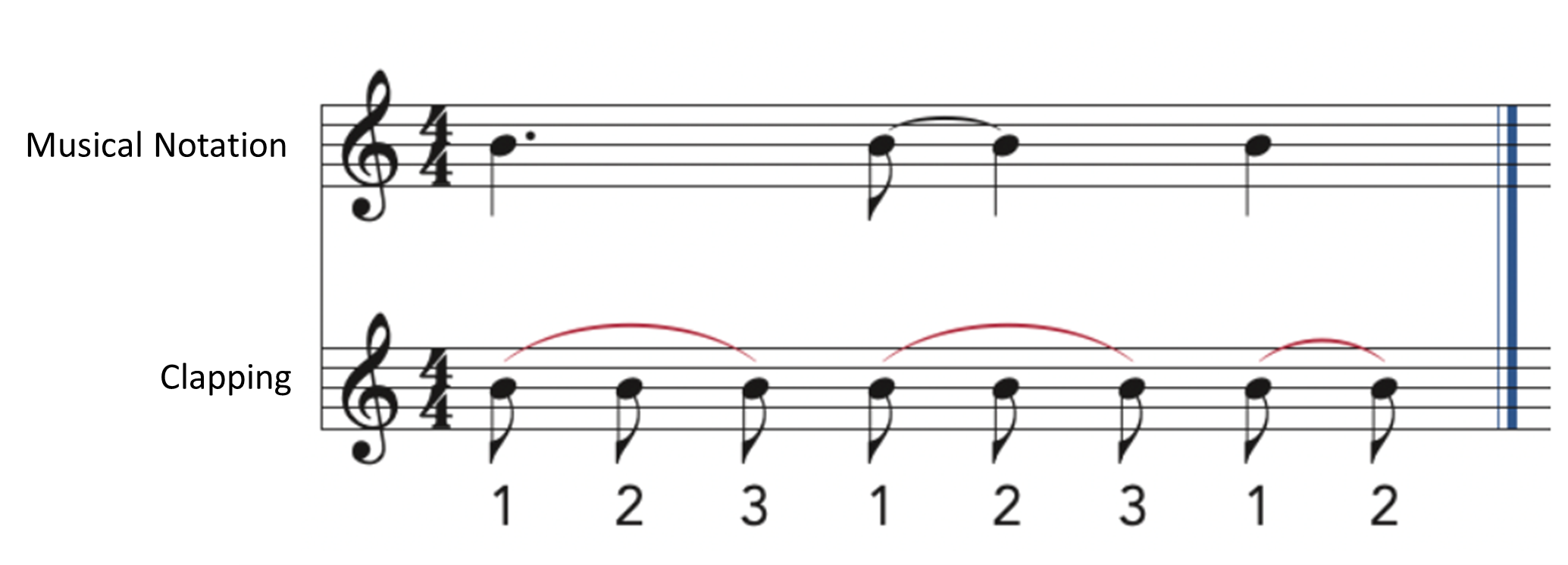
“Stand By Me,” recorded by Ben E. King at https://www.youtube.com/watch?v=hwZNL7QVJjE In particular, listen to the hook of the song set by the bass in first few measures of the song. It’s pure tresillo that you can clap to using the above 1-2-3 1-2-3 1-2 rhythm.
See, Jeffrey C. Stewart, The New Negro: The Life of Alain Locke (Oxford: Oxford Univ. Press, 2020) for an excellent biography of the intellectual lynchpin of the Harlem Renaissance.
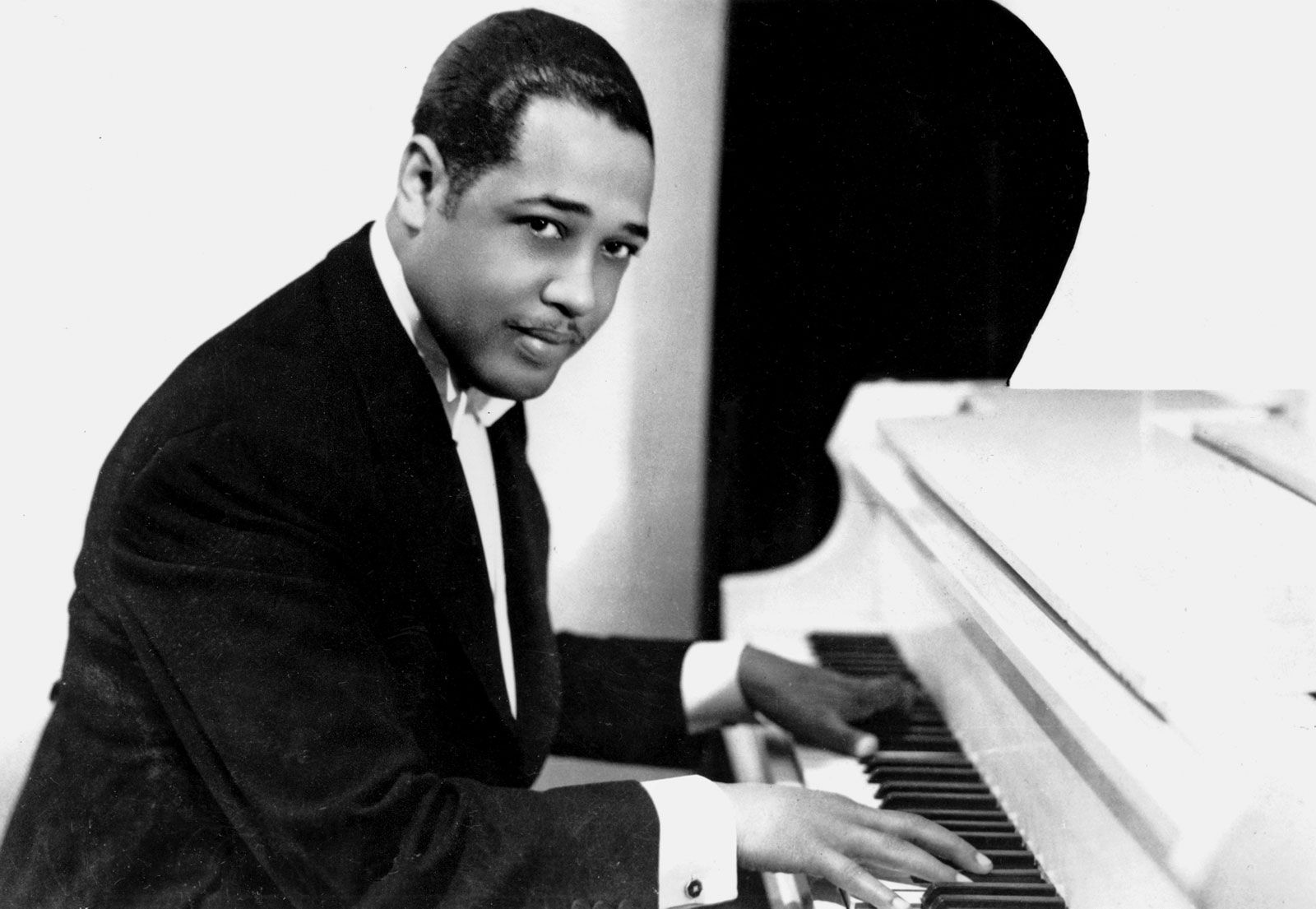
Although there were many other musicians involved in the Harlem Renaissance, Edward Kennedy (“Duke”) Ellington stands out as providing a soundtrack for the era, his early work in particular. Listen, for example, to:
“Black and Tan Fantasy” (1927)
https://www.youtube.com/watch?v=hAPCH-JsMV0.
“Creole Love Call” (1928)
https://www.youtube.com/watch?v=sKJFz8DvDKU.
“Mood Indigo” (1930)
https://www.youtube.com/watch?v=GohBkHaHap8.
“It Don’t Mean a Thing (If it Ain’t Got that Swing)” (1932)
https://www.youtube.com/watch?v=-FvsgGp8rSE.
Note the use of a banjo in all of the above Ellington classics.
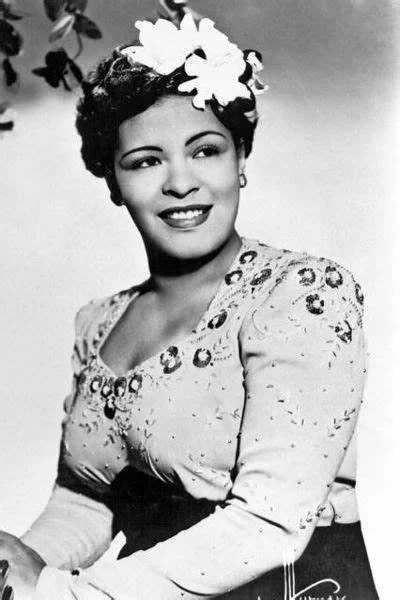
“Strange Fruit” sung by Billie Holiday. https://www.youtube.com/watch?v=ov6FeU4YlY8.
For more on the federal government targeting Billie Holiday see, Jahan Hari, “The Hunting of Billie Holiday” in Politico Magazine, January 17, 2015 available at https://www.politico.com/magazine/story/2015/01/drug-war-the-hunting-of-billie-holiday-114298/.