
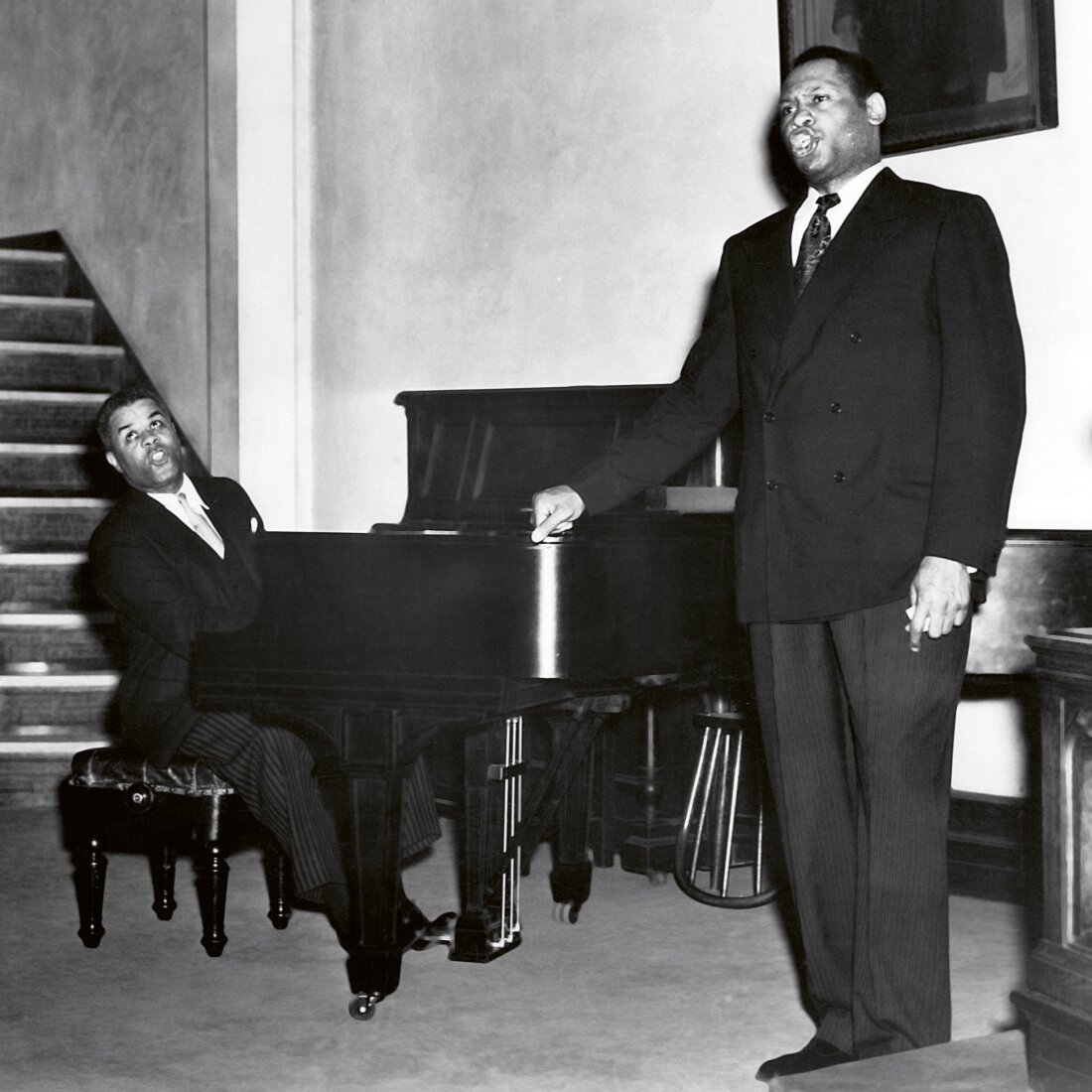
For the spirituals and other songs referenced in this chapter:
“Water Me from the Lime Rock”
https://www.youtube.com/watch?v=fTEEO19ngGM (A favorite featuring Paul Robeson).
“Stand Still Jordan”
https://www.youtube.com/watch?v=mDkmmJHD4tc.
“Swing Low, Sweet Chariot”
https://www.youtube.com/watch?v=rNvviKE3cPc (A fine version by Paul Robeson).
“My. Zion (On My Journey)”
https://www.youtube.com/watch?v=EU60b36U_o8 (Does not get any better than this rendition by Paul Robeson).
“Go Down, Moses (Let My People Go)”
https://www.youtube.com/watch?v=w3OjHIhLCDs (Another stirring rendition by Paul Robeson).
The biography of Harriet Tubman written by Sarah Hopkins Bradford. Harriet, The Moses of Her People (NY: George R. Lockwood & Son, 1897) available online at:
https://archive.org/details/harrietmosesher00bradgoog/page/n5/mode/2up.
James B. Kelley writes about how “Follow the Drinkin’ Gourd” may not have been an encoded message about escaping to freedom in James B. Kelly. Song, Story, or History: Resisting Claims of a Coded Message in the African American Spiritual “Follow the Drinking Gourd” in The Journal of Popular Culture, vol 6, no. 2, March 2008. Full-text available at:
https://www.researchgate.net/publication/229590568_Song_Story_or_History_Resisting_
Claims_of_a_Coded_Message_in_the_African_American_Spiritual_Follow_the_Drinking_Gourd
“Follow the Drinking Gourd”
https://www.youtube.com/watch?v=kjBZEMkmwYA (performed here by Eric Bibb, son of the legendary American folksinger, Leon Bibb).
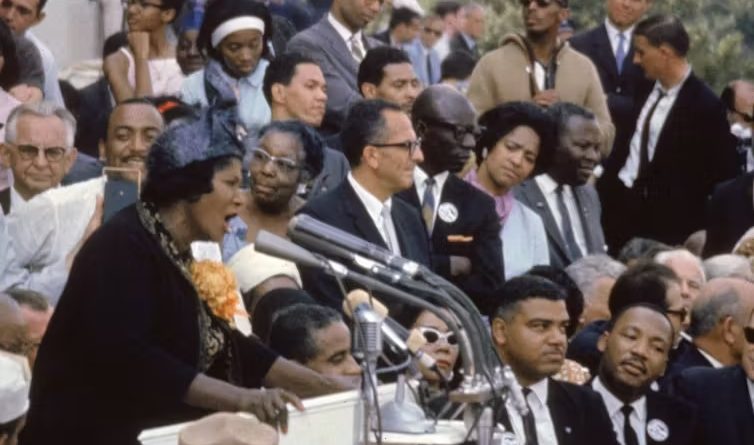
Take My Hand, Precious Lord
Often touted as Martin Luther King, Jr.’s favorite gospel in performed here by Mahalia Jackson, who sung it at the 1963 March on Washington. Listen to it at: https://www.youtube.com/watch?v=uYUwO6_lysw.
An interview with Wayman Williams can be found at, “Slavery in Texas,” https://slaveryintexas.org/items/show/55.
For a film on the Gandy Dancers along with their songs, see: https://www.youtube.com/watch?v=3r_cI3kYYhM.
Pete and Toshi Seeger’s 1964 film about the singing fishermen of Ghana can be viewed at: https://www.folkstreams.net/films/singing-fishermen-of-ghana.
Frederick Law Olmsted’s observations on field hollers is found in Frederick Law Olmsted. A Journey in the Seaboard Slave State, with Remarks on their Economy. (NY: Dix & Edwards, 1856), especially p. 394. Olmsted called this “Negro Jodling (Yodling)” or “The Carolina Yell.” https://archive.org/details/ajourneyinseabo00olmsgoog/page/394/mode/2up.
Bile ‘em Cabbage Down
A wonderful recording with fiddler Mark O’Connor and Wynton Marsalis. https://www.youtube.com/watch?v=fyt646v4hxA.
The contrast between hollers and the muezzin call to prayer is eerie. For example,
Levee Camp Holler: https://www.youtube.com/watch?v=5EH3jsnUo38.
An Azan (call to prayer) in Arabic: https://www.youtube.com/watch?v=5EH3jsnUo38.
Enoch Brown’s Levee Holler: https://www.loc.gov/item/lomaxbib000394/.
A Field Call: https://www.youtube.com/watch?v=1q1_ehNe3ik (sung here by Annie Grace Horn Dodson).
An Interview with Moustafa Bayoumi, https://coreyrobin.com/2015/12/27/this-muslim-american-life-an-interview-with-moustafa-bayoumi/.
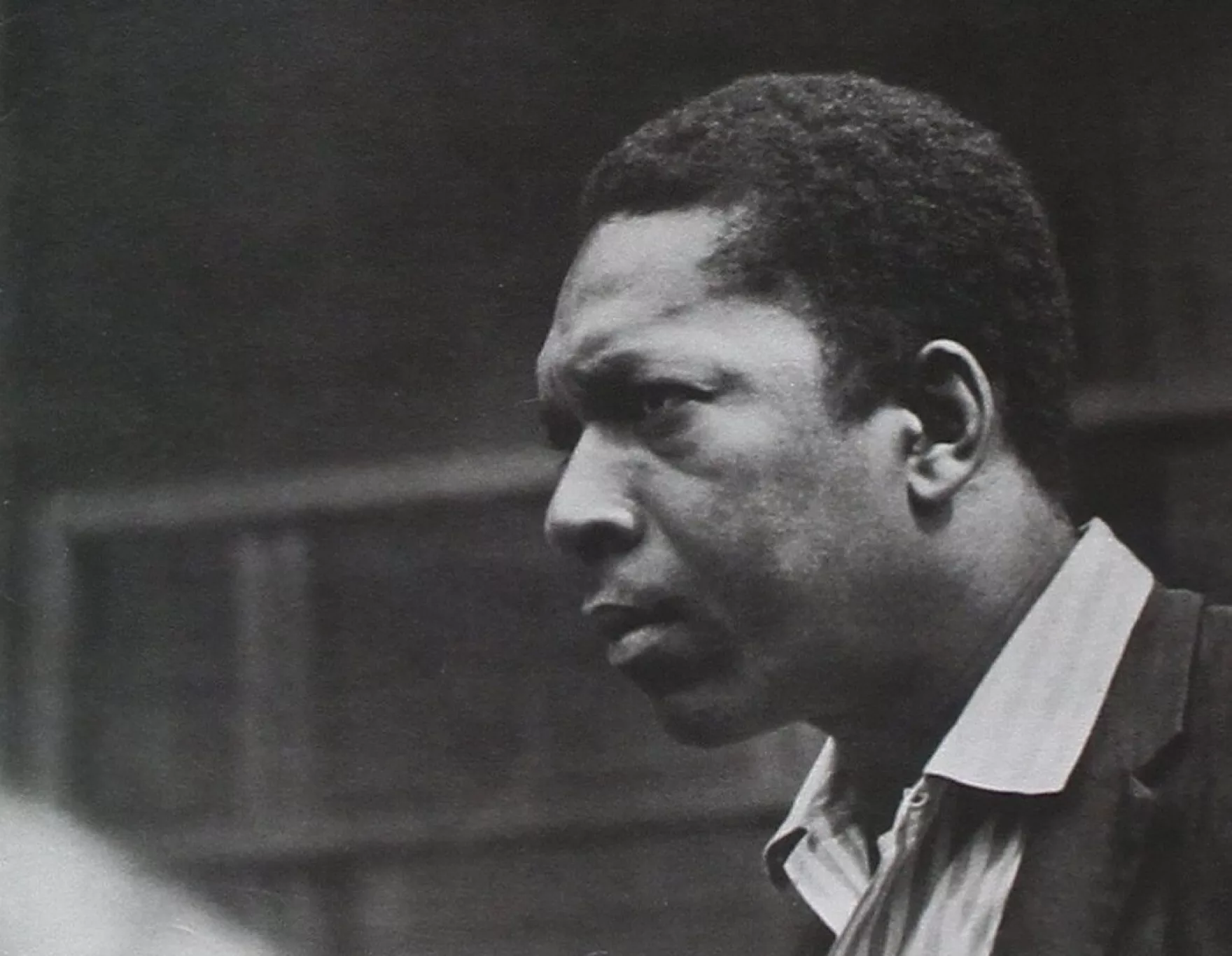
A Love Supreme by John Coltrane. https://www.youtube.com/watch?v=ll3CMgiUPuU
What do you hear?